
The gap is not lack of effort. It's design.
Your team may be working hard, responding quickly, and doing the right things, but residents, businesses, and visitors may still walk away feeling confused, dismissed, frustrated, or unseen. You know your team cares, but people may not feel it. Good intentions do not always create a good experience.
That does not mean your team failed. It often means the experience was never intentionally designed. Municipal Hospitality helps local governments become more intentional about the feeling they leave behind.
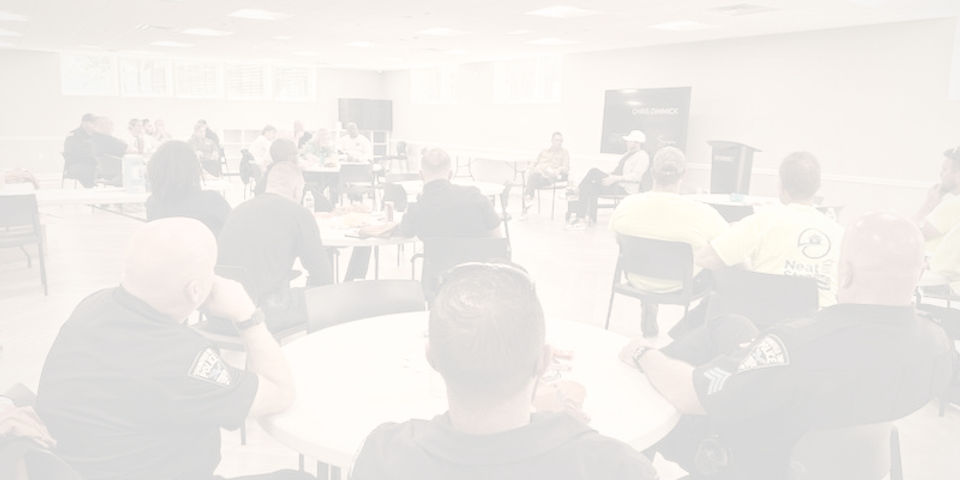
Here's What I Was Noticing
Residents Arrive Frustrated
People often come in carrying stress, confusion, or distrust before the conversation even begins.
Service Delivery Is Inconsistent
The customer experience varies from one department, employee, or interaction to the next.
Team Members Feel Worn Down
The team is under pressure to absorb complaints, solve problems, and just keep going.
Communication Is Not Connecting
We share information, but people still do not always feel heard or cared for.
How Municipal Hospitality Helps
Better Internal Culture
Empowered team members feel valued and motivated. A kind, people-first environment lowers turnover and boosts morale.
Improved Community Trust
Consistent empathy in everyday service builds a reservoir of goodwill - essential during difficult decisions or crisis moments.
Higher Resident Satisfaction
Warm, personalized service turns residents into advocates who support local initiatives and promote your community.
More Effective Services
Trust fosters cooperation. Residents are more honest, more engaged, and more willing to participate in programs and feedback.
Stronger Community Pride
When residents feel cared for, they form emotional ties to the community - resulting in loyalty, support for local efforts, and even economic growth.
How I Approach the Work
I don't believe a mindset changes because someone is handed another checklist or five-step framework.
I use personal stories, real local government examples, and experiences people can relate to because hospitality is easier to understand when you can connect with the feeling you're trying to create.
When you recognize what made you feel welcomed, valued, understood, or cared for, it becomes much easier to see how you can create that same feeling for someone else.
That's when hospitality becomes something you can actually use.
.png)
Every Interaction Leaves Something Behind
A phone call can lower tension. A permit conversation can build confidence. A code enforcement visit can preserve dignity. A public works response can make someone feel cared for. A front desk interaction can change how a resident feels about their entire community.
These moments may seem small, but they shape the relationship between people and their local government. It's much bigger than improved customer service. It's about building trust, creating belonging, and making communities people are proud to call home. How you make people feel is as important as the service you provide.
That's Why Municipal Hospitality Matters